

mirror with shaver socket
The Use of Spirit Level in Construction and DIY Projects A spirit level, also known as a bubble level, is an essential tool for ensuring the accuracy and precision of various construction and DIY projects. This simple yet effective instrument is utilized to ascertain whether a surface is horizontal (level) or vertical (plumb). Its usage is integral in various fields such as carpentry, masonry, plumbing, and many other trade professions where alignment is crucial. The Use of Spirit Level in Construction and DIY Projects One of the primary applications of a spirit level is in the construction of buildings. Ensuring that walls are plumb and surfaces are level is vital for structural integrity and aesthetic appeal. For instance, when erecting a wooden frame for a house, carpenters use spirit levels to guarantee that each part of the frame is correctly aligned. A slight deviation could lead to issues later on, such as uneven floors or misaligned doors and windows. the use of spirit level In addition to professional construction, spirit levels are invaluable for DIY enthusiasts. Whether hanging pictures, installing shelves, or laying tiles, a spirit level helps ensure that every project is done right. A small error in these tasks can lead to significant visual and functional problems. For example, hanging a shelf that isn’t level can result in items sliding off or looking unappealing. Moreover, modern technology has introduced electronic spirit levels that offer digital readouts, making it even easier for users to determine level and plumb. These advanced tools can provide more precise measurements and are often equipped with features like angle measurement, which can be particularly useful in complicated projects. In conclusion, the spirit level is a fundamental tool that plays a critical role in construction and DIY projects. Its ability to provide quick and accurate readings on a surface's levelness or verticality ensures that both professionals and homeowners can achieve high-quality results. By using a spirit level, anyone can benefit from enhanced precision, leading to more successful and appealing projects. Whether you are building a new home or hanging your favorite artwork, ensuring everything is level is key to achieving a polished and professional finish.
about
mirror with shaver socket
Storaen (Cangzhou) International Trading Co. Industry leader in precision measurement equipment manufacturing with 15+ years of expertise in cast surface plate production. willGuo@strmachinery.com +86 19030670310 No.17, Building 11, Hardware Building Material City, Botou, Cangzhou City, Hebei Province, China www.strmachinery.com In precision engineering and metrology, surface plates serve as indispensable reference surfaces for measurement, inspection, and layout work. As flatness reference standards, these essential tools provide the foundation for dimensional accuracy in manufacturing processes ranging from aerospace to automotive industries. This comprehensive guide examines the technological innovations, material developments, and industrial applications shaping the surface plate market today, with a special focus on cost-efficient solutions that maintain high precision standards. Material Innovations in Surface Plates The material composition of a surface plate directly influences its performance characteristics, longevity, and application suitability. Modern manufacturing offers several distinct material options: Cast iron surface plates remain the industry standard for most precision applications due to their excellent vibration damping properties and thermal stability. These plates are manufactured from high-grade grey cast iron using specialized casting techniques that minimize internal stresses. For demanding metrology laboratories, cast iron surface plates undergo thermal stabilization cycles and precision scraping to achieve accuracies within 0.0001 inches per square foot. The granular structure of cast iron provides natural lubricity that facilitates smoother movement of gauge blocks and precision instruments during measurement operations. Granite surface plates have gained significant market share in specialized environments due to their non-magnetic properties and superior corrosion resistance. Engineered from black granite quarried from specific geological formations, these plates offer exceptional dimensional stability unaffected by temperature fluctuations. The latest advancements in granite plate manufacturing include laser-etched grid patterns for layout work and specialized surface treatments that enhance wear resistance without compromising flatness tolerances. With the increasing demand for cheap surface plate solutions that maintain adequate precision for workshop applications, manufacturers have developed cost-effective alternatives using advanced polymer composites. These engineered surfaces incorporate mineral particulates within a polymer matrix to achieve vibration damping characteristics approaching cast iron at significantly lower price points. Recent studies published in the Journal of Manufacturing Processes indicate that modern composite plates now achieve flatness tolerances suitable for 80% of industrial measurement applications at 40-60% lower cost than traditional options. Precision Ground Cast Iron Surface Plate Expertly calibrated cast iron surface plate with certified flatness tolerance of ±0.00015" per square foot. Features stress-relieved construction for long-term stability. Explore Specifications Heavy-Duty Workshop Grade Surface Plate Economical surface plate solution offering certified flatness of ±0.0003" per square foot. Ideal for machine shop environments requiring durable measuring surfaces. Request Quote Technical Specifications of Surface Plates Parameter Workshop Grade Inspection Grade Laboratory Grade Material Comparison Flatness Tolerance ±0.0003"/ft² ±0.0002"/ft² ±0.0001"/ft² Cast Iron: High · Granite: Excellent Surface Hardness 150-180 BHN 180-220 BHN 220-260 BHN Cast Iron: Hard · Granite: Very Hard Thermal Expansion 6.8 µm/m°C 6.2 µm/m°C 5.8 µm/m°C Cast Iron: Medium · Granite: Low Vibration Damping Good Very Good Excellent Cast Iron: Superior · Granite: Moderate Typical Size Range 12"×12" to 48"×72" 18"×24" to 72"×144" 24"×36" to 48"×96" - Load Capacity 400 lb/ft² 800 lb/ft² 1500 lb/ft² Cast Iron: Higher · Granite: Lower Average Service Life 5-8 years 8-12 years 15-20 years Cast Iron: Long · Granite: Very Long Material Performance Comparison in Surface Plates Flatness Accuracy by Surface Plate Grade (microns/m²) Industrial Applications of Surface Plates Across manufacturing sectors, surface plates fulfill critical functions in quality control and production efficiency: Aerospace & Defense: In this ultra-precision sector, surface plates certified to ASME B89.3.7 standards serve as primary references for turbine component inspection, airframe alignment, and guidance system calibration. The extreme precision required in aerospace manufacturing demands laboratory-grade plates with thermal stability exceeding ±0.5°C variation during measurement operations. Automotive Manufacturing: Production lines utilize specialized iron surface plates for dimensional verification of engine blocks, transmission housings, and suspension components. Modern automotive plants increasingly employ modular plate systems with integrated mounting fixtures that reduce setup time by 40% according to production studies published by the Society of Manufacturing Engineers . Energy Sector: Nuclear and conventional power generation facilities rely on granite surface plates for precision measurement of turbine components and reactor parts where magnetic interference must be avoided. The latest designs incorporate vibration isolation systems that maintain measurement accuracy even when installed near high-energy equipment. Educational Grade Surface Plates Cost-effective cheap surface plate solutions designed for technical institutes and training centers. Features adequate flatness for metrology instruction. View Academic Pricing Calibration-Grade Reference Plate Our premium cast iron surface plate certified to AA-grade flatness standards. Includes NIST-traceable calibration documentation. Request Certification Cost-Effective Precision: Affordable Surface Plate Solutions The evolution of manufacturing technology has enabled significant advances in economical surface plate options without sacrificing essential accuracy. When specifying a cheap surface plate solution, consider these strategic approaches: Material Selection: Advanced polymer composites now offer viable alternatives to traditional cast iron, providing 85% of the performance at 40-50% of the cast iron surface plate price . These materials particularly excel in educational settings or light manufacturing where extreme precision isn't critical. Size Optimization: Careful analysis of actual measurement requirements frequently reveals that smaller plates can perform 90% of necessary inspection tasks. A 24"×36" inspection-grade plate typically costs 60% less than a 48"×72" equivalent while providing identical precision on appropriately sized workpieces. Refurbishment Programs: Certified plate reconditioning services restore flatness to original specifications at approximately 30-40% of new plate cost. Thermal scraping and precision grinding techniques can extend service life by 5-8 years with proper maintenance, according to data from the Precision Measurements Association . Industry-Leading Products: Cast Iron Angle Plates Complementing standard surface plates , our Cast Iron Angle Plates are widely used for making fixtures as well as checking squareness and parallelism of surfaces. Manufactured to exacting standards, all machined faces are precisely square and parallel, ensuring dimensional accuracy for complex measurement setups. Key features include: - Stress-relieved construction for long-term stability - Precision ground surfaces with squareness tolerances within 0.0001" per inch - Multiple tapped holes for fixture configuration flexibility - Durable protective coating to minimize corrosion Global Surface Plate Market Projections ($ Billion) Technical FAQ: Surface Plate Expertise What are the key differences between Grade A, AA, and B surface plates? + Surface plate grades classify precision levels according to ASME B89.3.7 standards: Grade B (Workshop): ±50 millionths of an inch flatness per foot diagonal Grade A (Inspection): ±20 millionths of an inch flatness per foot diagonal Grade AA (Laboratory): ±10 millionths of an inch flatness per foot diagonal Selection depends on application requirements and measurement tolerances. How does material selection affect surface plate performance? + Cast iron surface plates excel in vibration damping and impact resistance, making them ideal for workshop environments. Granite plates offer superior thermal stability and are non-magnetic, perfect for precision labs. Composite materials provide a cost-effective alternative with good chemical resistance. What is the recommended maintenance procedure for cast iron plates? + Proper maintenance includes: 1. Daily cleaning with specialized plate cleaner 2. Application of rust preventative during storage 3. Periodic verification with precision level 4. Annual calibration check 5. Professional rescraping every 5-7 years These procedures extend service life while maintaining accuracy. How do environmental factors affect surface plate accuracy? + Temperature variation is the most significant factor, with cast iron expanding approximately 6 millionths per inch per °F. Industry best practices recommend: - Maintaining stable temperature (±1°C) - Avoiding direct sunlight exposure - Allowing plates to stabilize (1 hour per 50lbs mass per 3°C change) - Using isolation pads to minimize vibration What mounting systems are recommended for precision applications? + Laboratory installations should incorporate three-point mounting systems with adjustable feet. The contact points should follow Airy points for maximum stability. For large plates (over 48"), additional support points with force monitoring are necessary to prevent gravity-induced deformation. Proper mounting preserves certified flatness specifications. What are the emerging trends in surface plate technology? + Current innovations include: - Digitally-integrated plates with embedded sensors - Modular systems with grid coordinate systems - Composite-core designs with thermal regulation - Automated flatness verification systems - Environmental compensation algorithms - AI-assisted maintenance scheduling systems What specifications determine cast iron surface plate price? + The main price determinants include: - Flatness grade (B, A, AA) - Plate thickness (impacting rigidity) - Material quality and certification - Mounting system complexity - Calibration documentation - Surface finish requirements - Industry compliance certifications (ISO, ASME) - Additional features like grid patterns or specialized coatings Industry Research & Technical References ASME B89.3.7 - Surface Plates Standard Specifications NIST: Precision Engineering in Metrology Applications Journal of Materials Processing Tech: Advanced Materials in Precision Measurement Precision Measurement Association: Global Market Analysis 2023 Intl Journal of Advanced Manufacturing: Vibration Analysis in Metrology Equipment Metals Journal: Materials Science of Cast Iron Products
-

High quality industrial productsagement

High quality industrial products
View Details -

Meet the diverse needs of customers

Meet the diverse needs of customers
View Details -

Strict quality control

Strict quality control
View Details -

Top raw materials

Top raw materials
View Details -

Trusted supplier

Trusted supplier
View Details
Our application
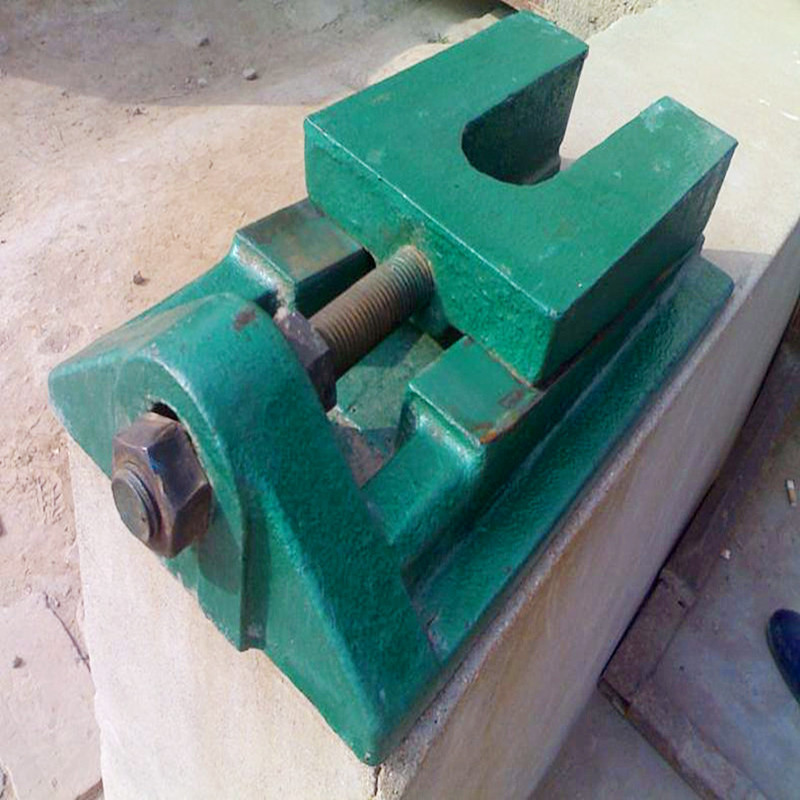


news and information
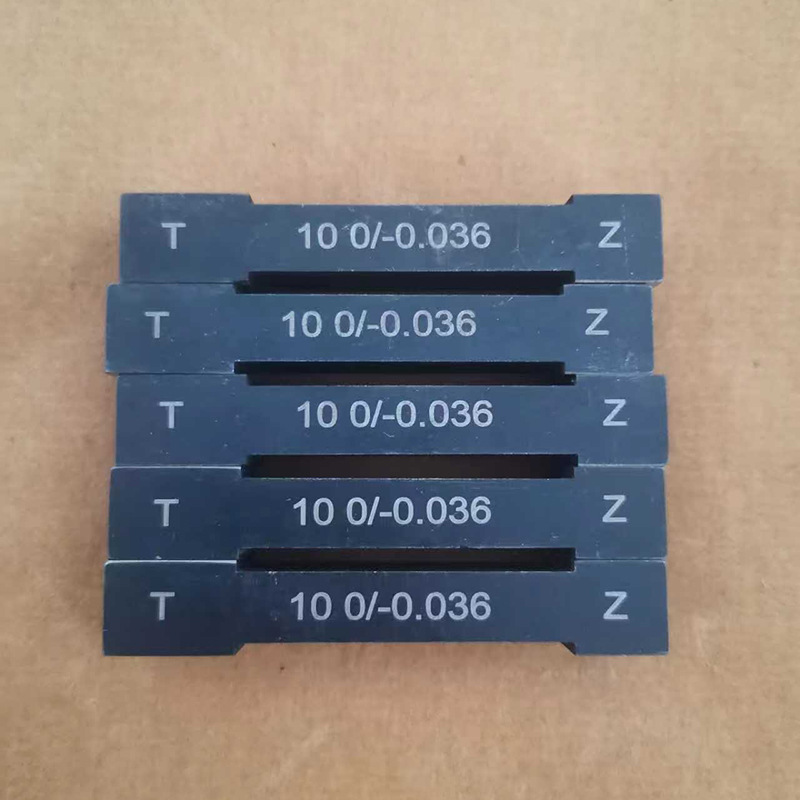
y type suction strainer
Understanding Y-Type Suction Strainers A Comprehensive Guide In various industrial applications, mai
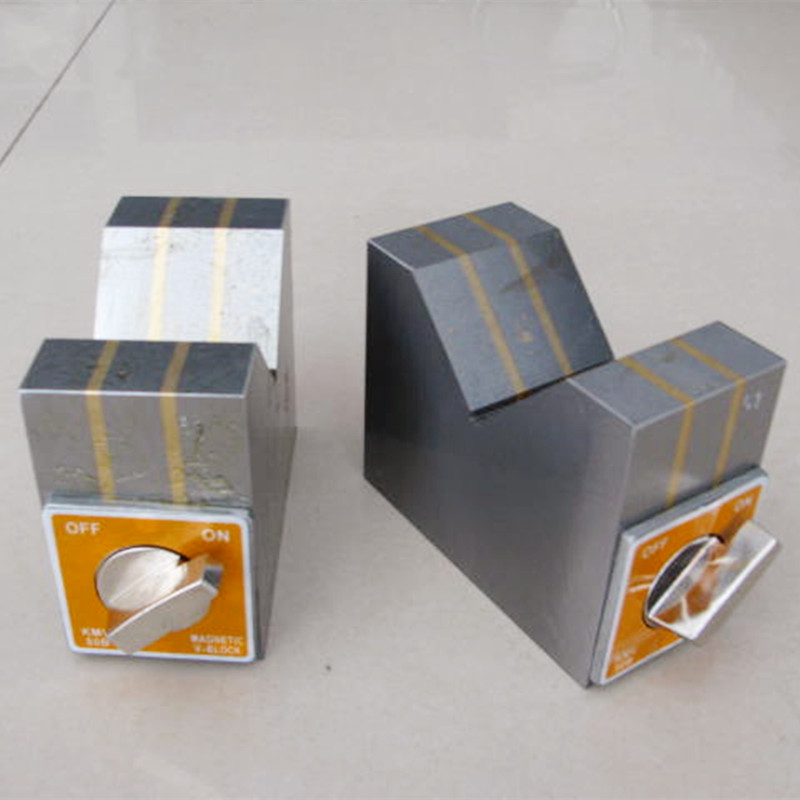
Using Thread Ring Gauges for Accurate Measurement and Quality Control in Manufacturing Processes
The Importance of Thread Ring Gauges in Quality Assurance In the world of manufacturing and engineer

Y-type filter_ a mechanical tool to improve filtration efficiency
As a common filtration equipment, Y filter is widely used in various industries. With its unique des
 English